

Occupational therapy aesthetic is an emerging focus that blends function and beauty, ensuring that client-centered therapy respects cultural needs and personal preferences. Far from being superficial, the aesthetic aspect in occupational therapy improves real-life outcomes, motivating clients by aligning therapy with their identities and daily environments.
Key Takeaways
- Aesthetic considerations in occupational therapy increase cultural relevance, client motivation, and dignity, but face professional knowledge gaps and limited research.
- No formal credentialing or published outcome data exists for aesthetic-focused occupational therapy, but cultural and design-oriented skills are growing in importance.
- Integrating meaningful aesthetics (like textured hair care or personalized adaptive equipment) requires real collaboration, resourcefulness, and openness to feedback.
- Understanding Occupational Therapy Aesthetic
- Step-by-Step Guide: Making Aesthetics Part of Occupational Therapy
- Advanced Analysis & Common Pitfalls
- Conclusion
- Frequently Asked Questions
Understanding Occupational Therapy Aesthetic
Occupational therapy has always centered on helping people engage in meaningful activities. The occupational therapy aesthetic pushes this further by addressing how therapy tools, adaptive devices, and therapeutic approaches appear, feel, and align with a client’s cultural identity. For example, a prosthetic that blends with a client’s skin tone matching and lifestyle not only supports function but respects the person’s dignity and confidence.
This approach is driven by a growing awareness of cultural inclusivity and the need for therapy resources that represent real client diversity. Currently, there is a lack of formal prevalence data or outcome studies, but trends show a shift towards more personalized and dignified therapeutic interventions [source]. In recent years, textured hair care as a meaningful occupation has emerged as one new area of focus [source].
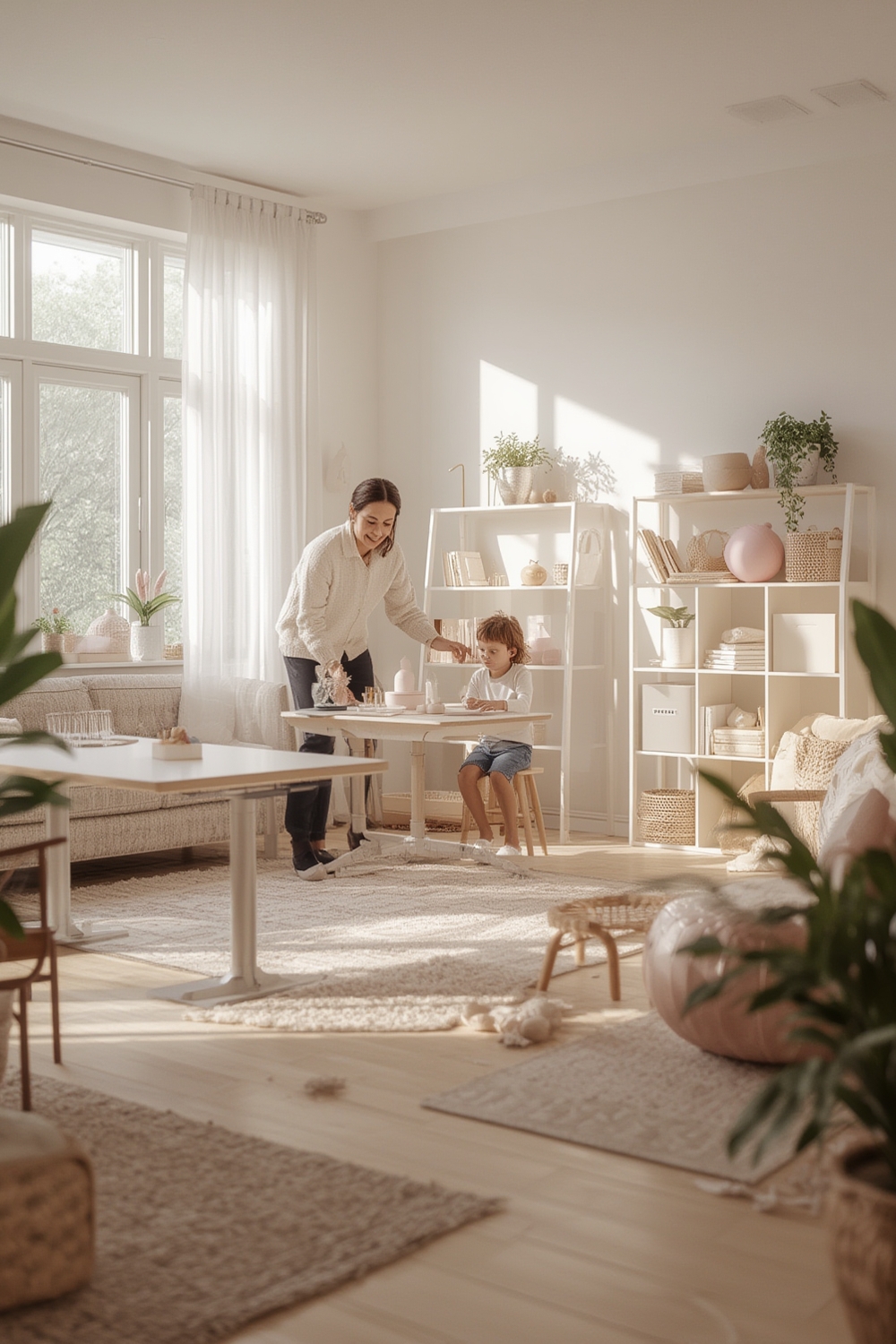
The pursuit goes beyond appearance—it is about providing tools and environments that honor a person’s background, comfort, and self-image. Whether it’s a customized splint design or an accessible home modification that blends with a client’s décor, these details can deeply impact participation and satisfaction.
Learn more about posture and occupational therapy’s overlap with physical therapist aesthetic philosophies for a holistic view.
Step-by-Step Guide: Making Aesthetics Part of Occupational Therapy
Integrating aesthetic considerations into your OT practice does not require a complete overhaul but does demand fresh strategies, cultural humility, and willingness to co-create with clients. Here is a practical step-by-step guide:
- Start with the Occupation: Collaboratively explore what activities, environments, and objects feel “meaningful” and “authentic” to each client. Ask: What feels familiar, dignified, and motivating?
- Assess Aesthetic Needs: Evaluate aesthetic preferences and cultural requirements. For instance, when addressing grooming, consult on hair texture-specific routines, relevant products, and cultural traditions.
- Co-Design Adaptive Solutions: Personalize splints, mobility aids, or daily living devices in ways that reflect the client’s identity—such as color, material, or skin tone matching. Use fabric, stickers, or 3D printing for customization for customization.
- Source Inclusive Materials: Fill knowledge gaps with inclusive OT resources and stay updated via professional bodies’ guidelines, such as Canada’s 2021 Competencies for Occupational Therapists (now including culture, equity, and justice domains).
- Iterate Through Feedback: Welcome critical reviews from clients. Adjust devices and recommendations for comfort, cultural fit, and daily use practicality.
- Collaborate Across Disciplines: Partner with physical therapists, designers, or family members to refine and broaden your aesthetic approach. For targeted postural strategies, see arched back posture or sway back posture guides.

Pairing aesthetics with practical postural improvement is key. Step-by-step support is available in our posture exercises guide, which helps bridge the gap between form, function, and appearance.
Advanced Analysis & Common Pitfalls
Despite increasing interest, adopting the occupational therapy aesthetic presents several challenges and systemic barriers:
- Knowledge Gaps: Many therapists lack formal training in integrating aesthetics, especially around multicultural or textured hair care. There’s limited access to inclusive resources.[source]
- Limited Evidence and Data: No hard data or published outcome studies yet prove that aesthetic adaptations improve participation or satisfaction. Most evidence is qualitative or anecdotal.
- Professional Barriers: Lack of explicit credentialing or formal training means OTs must self-teach or build support networks for aesthetic skills.
- Perceived Cost: While there is no hard data on comparative costs, therapists may assume that customization is expensive or not covered by insurance—a myth that can restrict adoption. Median OT wages are $98,340 with no segmentation for aesthetic services.[source]
- Cultural Blind Spots: Aesthetic choices can unintentionally marginalize or exclude if not informed by authentic client voice and culture.
Here’s an at-a-glance comparison of traditional vs. aesthetic-oriented approaches:
| Aspect | Traditional OT | Aesthetic-Focused OT |
|---|---|---|
| Device Design | Standard, functional, often generic look | Customized colors, textures, cultural relevance |
| Cost Considerations | Often insurance-covered, minimal extras | Variable/additional cost, often client responsibility (data lacking) |
| Cultural Fit | Generic, guided by mainstream assumptions | Tied to individual’s culture, traditions, self-image |
| Research Base | Well-documented outcomes | Limited published outcomes so far |
| Status in Guidelines | Broadly supported | Emerging, with some new competency frameworks |
For humorous insight into common missteps, see our take on awareness with the bad posture meme phenomenon.

Conclusion
Client-centeredness and cultural dignity sit at the heart of the occupational therapy aesthetic. While hard data and credentialing are still catching up to the field’s creativity, real-world practice increasingly values how aesthetic choices improve motivation and satisfaction. As you refine your own approach, prioritize co-design with clients, keep learning about emerging trends, and link practical solutions to what matters most in their lives.
Ready to create therapy plans that feel as good as they function? Start a conversation with clients today, explore related posture resources like our posture improvement guides, and champion the future of OT—where every detail matters.
Frequently Asked Questions
What is an occupational therapy aesthetic?
It refers to the integration of meaningful design, cultural relevance, and personal style into occupational therapy tools, interventions, and environments to enhance client dignity and participation.
Are there specific credentials needed for aesthetic-focused occupational therapy?
No. OTs require general licensure and degree requirements, but there are currently no formal credentials for specializing in aesthetic or design-oriented OT.
Do aesthetic adaptations increase the cost of occupational therapy?
There is no clear data on cost outcomes. Some personalizations may add expense, but many low-cost hacks exist. Transparent discussion with clients is essential.
Is there evidence that aesthetic considerations improve therapy results?
No quantitative studies are published yet. However, qualitative reports and professional consensus suggest higher client satisfaction when therapy respects personal and cultural aesthetics.
What are common mistakes when integrating aesthetics into OT?
Common pitfalls include overlooking cultural input, assuming “one look fits all,” or skipping collaborative feedback. Always assess and revise with your client’s perspective first.