

Arched back posture is not just an aesthetic issue—it can quietly undermine comfort, movement, and long-term spinal health. Understanding the causes, risks, and practical correction strategies is essential for anyone looking to prevent pain or improve their quality of life.
Key Takeaways
- Arched back posture, also called hyperlordosis, affects up to 27% of adults and as many as 80% of female gymnasts, with higher risk for low back pain.
- Poor posture, inactivity, obesity, and intensive sports are core causes, and some cases occur without any pain—making early attention vital.
- Correcting this posture requires consistent daily action, targeted exercises, and ongoing awareness to avoid common setbacks and wasted effort.
- What is Arched Back Posture? Symptoms, Risks & Why It Matters
- How to Fix Arched Back Posture: Step-by-Step Guide
- Advanced Analysis & Common Pitfalls
- Conclusion
- FAQ
What is Arched Back Posture? Symptoms, Risks & Why It Matters
Arched back posture, medically called hyperlordosis, is when the lower back curves forward more than normal. This increased lumbar curve can happen at any age, but is mostly seen in children who are active in gymnastics, sedentary adults, and those struggling with poor posture or excess weight.
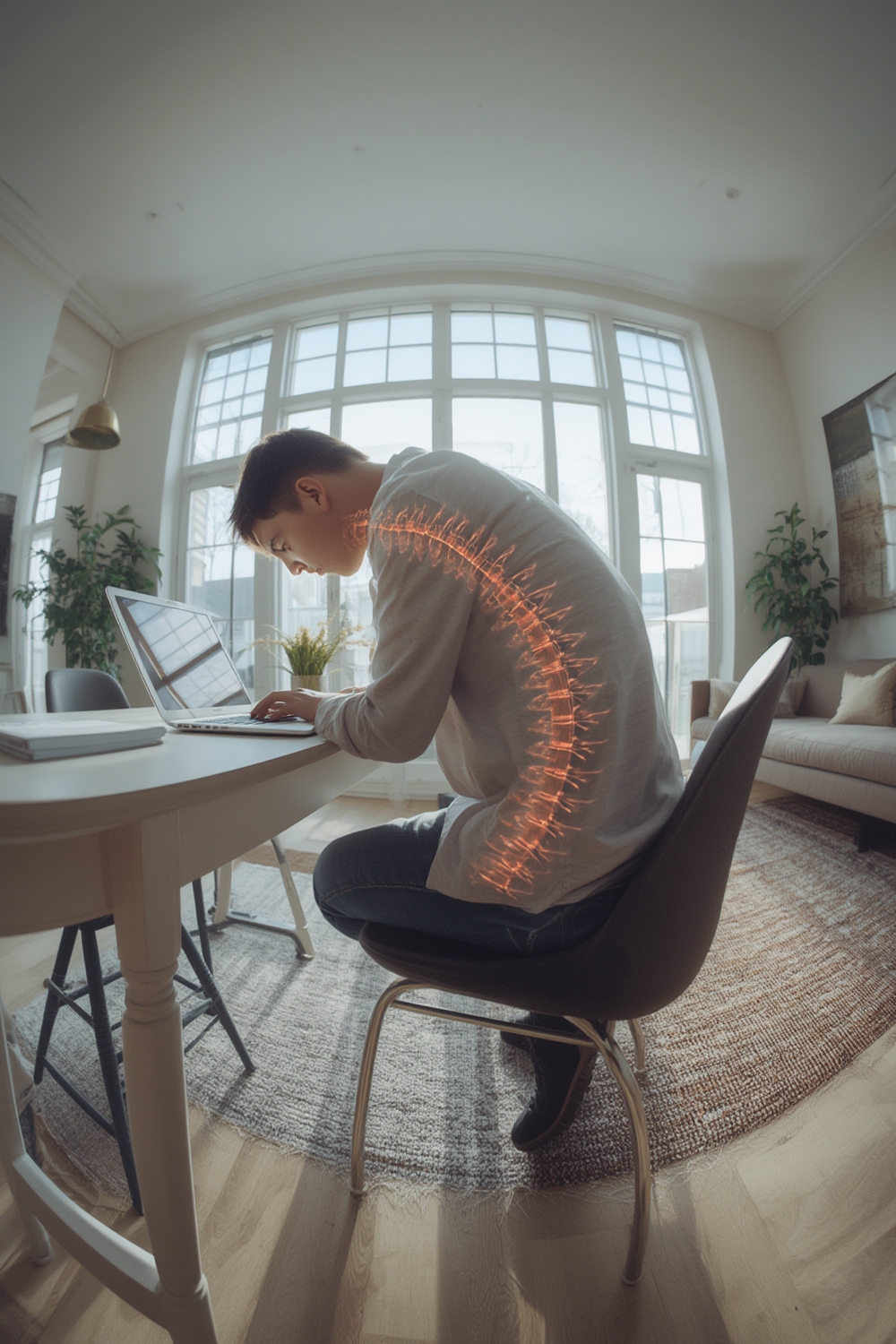
While some people experience no discomfort, research shows 46% to 53% of adults with hyperlordosis eventually suffer from low back pain. Factors such as extended sitting, mental stress, weak core muscles, obesity, and high-impact sports like gymnastics all raise the risk.
There is a strong link between arched back posture and chronic low back pain in adults, though some individuals may remain asymptomatic for years. For those already dealing with discomfort, addressing postural issues can be one of the most powerful tools for lasting relief.
Long-term, unaddressed arched back posture can contribute to ongoing pain, reduce core strength, limit flexibility, and raise the risk of additional spinal conditions.
An honest look at your everyday habits—from how you sit while working to the type of exercise you choose—is vital to spot problematic patterns early. You can learn more about posture basics and daily adjustment strategies in our Posture Improvement guide.
How to Fix Arched Back Posture: Step-by-Step Guide
Correcting arched back posture starts with practical, realistic daily actions. Here are the steps you can start today:
- Assess Your Posture: Stand side-on in a mirror. If your lower back arches forward and your pelvis tilts so your stomach protrudes, you likely have hyperlordosis.
- Strengthen Core Muscles: Focus on simple routines like pelvic tilts, glute bridges, and deep abdominal (transverse abdominis) exercises. Consistency matters more than intensity.
- Stretch Hip Flexors and Lower Back: Tight hip flexors and erector spinae can pull your spine forward. Gentle lunges and lower back stretches counteract this.
- Correct Sitting Habits: Avoid slouching or perching with an extreme curve in your chair. Use a small lumbar support or a rolled towel behind your lower back when working.
- Adjust Standing Posture: Keep your weight evenly distributed on both feet. Engage your abs gently and avoid locking your knees.
- Avoid Overcorrecting: Trying to flatten your back completely or tucking the pelvis too hard can strain the hips and knees. Aim for alignment, not rigidity.
- Track Progress: Take a weekly photo or video. Small improvements add up and help sustain your motivation.
- Consult Professionals: If pain persists or you’re unsure about safe exercises, connect with a physical therapist for specific advice. For more detailed routines, see our practical guides on Posture Improvement and effective ergonomic setups.
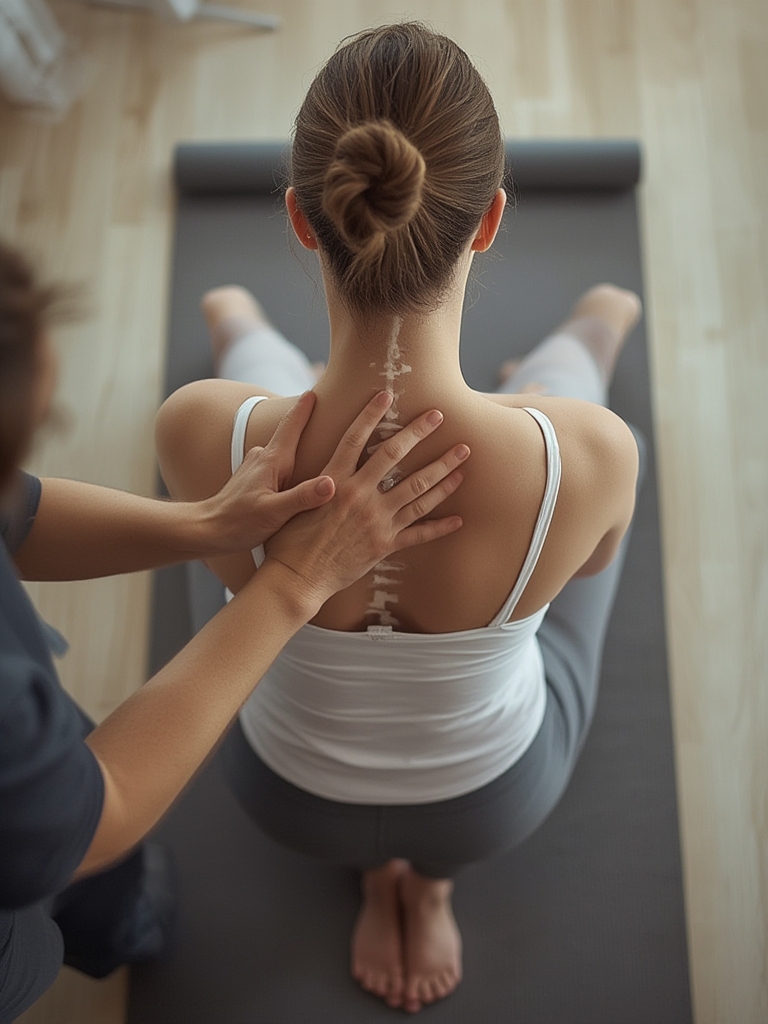
Sticking to this process is key. Some people notice subtle improvements in posture and pain reduction within weeks, but there’s no magic fix for everyone. Results depend on consistency, underlying causes, and whether you address both movement habits and muscle imbalances.
If exercises exacerbate discomfort or you have additional neurological or muscular diagnoses, it’s strongly advised to seek professional medical guidance before continuing.
For additional support tools, see our recommended equipment roundup and expert guides on Posture Improvement.
Advanced Analysis & Common Pitfalls
Fixing arched back posture isn’t always simple. Here’s what recent research and case studies reveal about common mistakes and challenges:
- Missing Asymptomatic Cases: Many people with hyperlordosis never develop pain at first—delaying action until symptoms appear. Early correction is more effective but often neglected.
- One-Size-Fits-All Exercise: Not every exercise suits all body types. Overemphasizing lower back stretches while ignoring core strengthening can actually worsen the posture.
- Neglecting Ergonomics: Even perfect form in the gym won’t compensate for 8 hours a day of poor desk posture. Proper sitting and ergonomic workstations setup are essential.
- Underestimating Lifestyle Factors: Stress, sleep habits, and diet all play a role—rushed solutions that ignore these nearly always underperform.
- Falling for Quick-Fix Gadgets: External braces or correction devices without a structured plan rarely create lasting change. They are best used for short-term reminders or, in rare cases, under clinical supervision (source).
| Pitfall | Why It Happens | How to Fix |
|---|---|---|
| Ignoring early, pain-free signs | Lack of symptoms reduces urgency | Perform routine self-checks and act proactively |
| Relying only on stretches | Belief that flexibility alone corrects posture | Incorporate strength training for core and glutes |
| Poor sitting posture | Long hours at desks or screens | Set up ergonomic workstations; take hourly breaks |
| Quick-fix products with no plan | Seeking effortless solutions | Combine devices only with a consistent daily routine |
| Neglecting professional advice in severe cases | Uncertainty about when to seek help | Consult a physical therapist for persistent issues |
It’s important to realize that published research in 2022–2024 identifies several informational gaps:
- Age-specific prevalence outside of young adults and athletes remains unresearched (see source).
- Risks for asymptomatic hyperlordosis are real and require earlier intervention (study).
- Relatively little is proven about how quickly posture can improve; timelines are highly individual.
- Medical costs and device effectiveness—for both DIY and professional solutions—are not well documented. Readers should set realistic expectations and apply incremental changes.
Conclusion
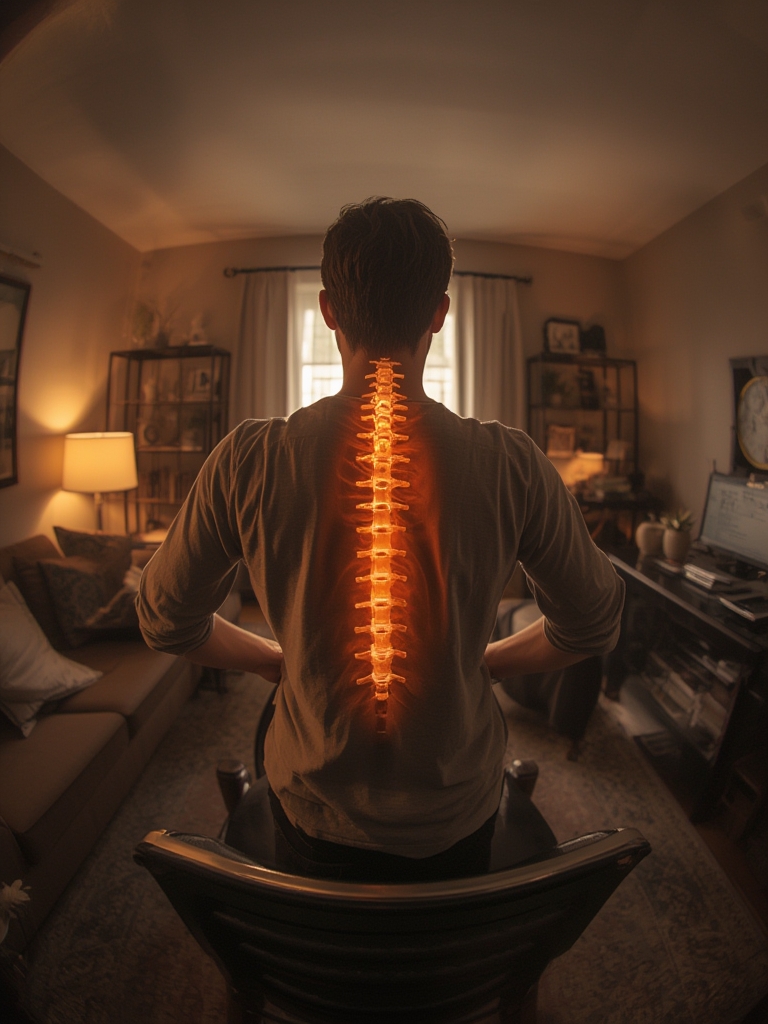
Arched back posture is a widespread concern for both active and sedentary individuals, with up to one in four adults affected and even higher rates among athletes. The good news is that consistent, realistic action—such as daily awareness, proven exercises, and small lifestyle shifts—offers the best approach to relief and long-term correction.
Your journey doesn’t have to be perfect to be effective. Commit to the fundamentals, check your progress, and reach out for support if progress stalls or you experience pain.
For more in-depth strategies and ongoing tips, explore our resources on Posture Improvement and start making real changes today. Start correcting your arched back posture now—your spine and wellbeing are worth it.
FAQ
What is the main cause of arched back posture?
The most common causes are poor sitting and standing habits, weak core muscles, inactivity, obesity, and intensive participation in certain sports such as gymnastics.
Can you permanently fix arched back posture without surgery?
In most cases, yes. Consistent exercise, stretching, postural adjustments, and core strengthening can lead to sustainable improvements. Surgery is rarely required except for severe structural or neurological conditions.
How long does it take to see results when fixing arched back posture?
Results vary. Minor improvements may be noticed in a few weeks with daily effort, but full correction can take months. Consistency is key, and some severe cases may require professional supervision.
Is arched back posture always painful?
No, many people with hyperlordosis experience no pain. However, they remain at higher risk for developing low back pain later and benefit from early intervention.
Are posture braces or correction devices effective?
Posture braces or correction devices can provide reminders to correct posture but do not replace exercise and habit change. Use them as part of a structured plan, not as a stand-alone solution.