

Bad posture meme searches have exploded as people recognize themselves—hunched over phones, slumped at laptops—in the viral humor found across social media. But while memes get laughs, the real impact of recurring bad posture is no joke: it fuels chronic pain, reduces productivity, and can permanently alter your musculoskeletal health.
Key Takeaways
- Bad posture memes capture digital culture but highlight a health risk backed by recent statistics.
- Screen time is directly linked to posture problems, which can cause lifelong back, neck, and productivity issues.
- Understanding and correcting your posture is essential—memes can help raise awareness, but habits need real change.
- What Makes a Bad Posture Meme So Popular?
- How to Decode and Gain Value from Bad Posture Memes
- Advanced Analysis & Common Pitfalls
- Conclusion
- FAQ
What Makes a Bad Posture Meme So Popular?
Bad posture memes have become a mirror for modern screen culture. Found everywhere from Instagram to Reddit, these memes use exaggerated slouching or bent figures, poking fun at the universal experience of hunching over phones and laptops. At a glance, they’re relatable and humorous. Underneath, they spotlight a rising health issue: our digital habits are reshaping our spines and quality of life.
Recent studies reveal a sharp increase in posture-related health problems, especially among heavy digital users. Among medical students, scapula-pelvic asymmetry is seen in 97%, cervical hyperlordosis in 85.7%, and even forward head posture in over two-thirds of those spending three to five hours in front of screens (study source).
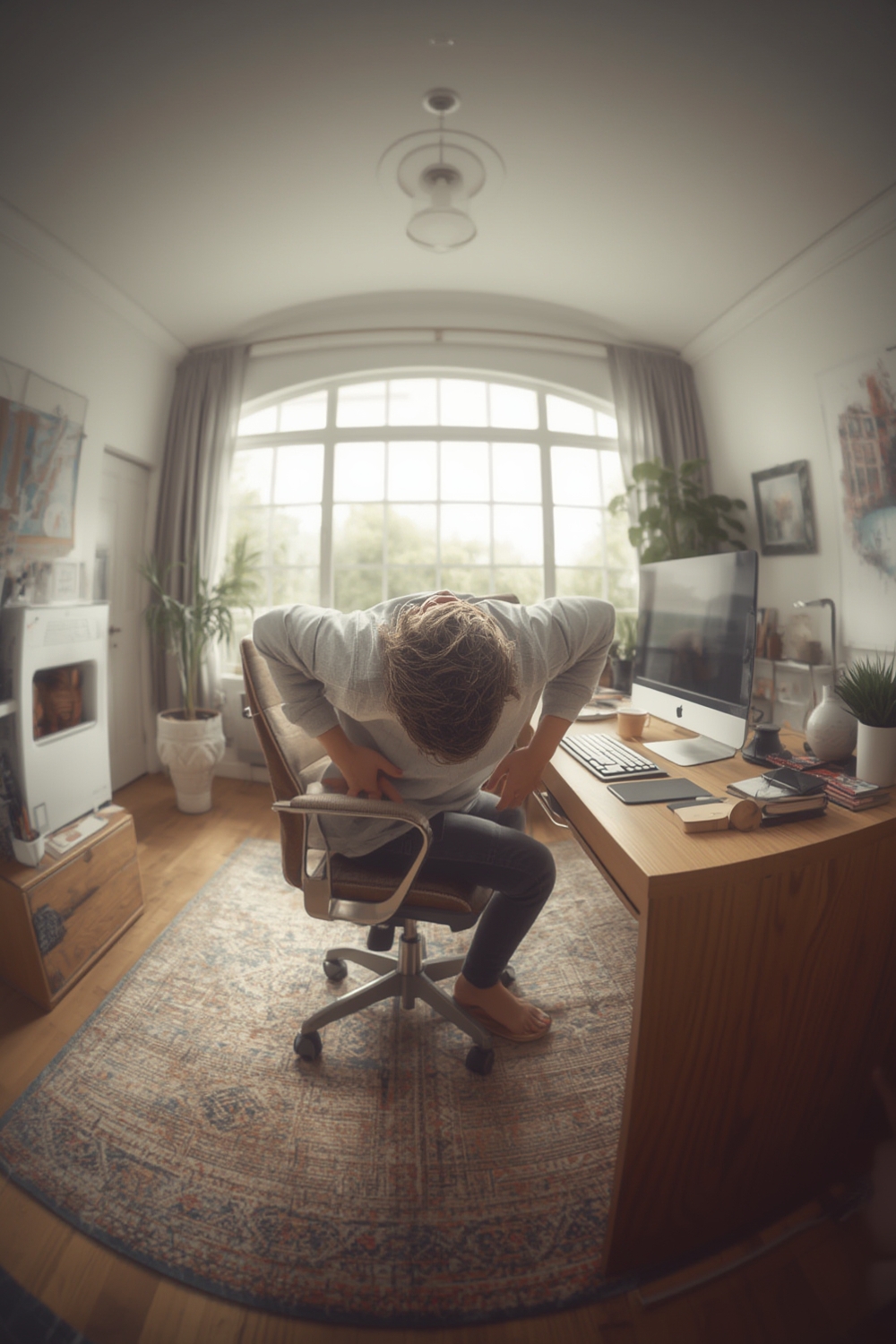
But memes alone won’t fix your posture. In fact, without real corrective steps, that shared laughter can mask increasing risks—like pain, fatigue, poor productivity, and long-term spinal issues. They do, however, spark conversations and could motivate some to seek actual improvement.
Want more technical advice? See our deep dive on arched back posture and targeted solutions for sway back posture.
How to Decode and Gain Value from Bad Posture Memes
Memes can be more than just online jokes. If you recognize yourself in a bad posture meme, here’s how to turn that awkward laughter into a practical life improvement:
- Reflect Honestly. When a meme hits close to home, assess your usual sitting or phone posture. Self-awareness is the foundation for change.
- Check Your Environment. Is your ergonomic chair? Are you using an ergonomic chair? Tiny details greatly impact spinal health.
- Set Visual Reminders. Save your favorite bad posture meme as your laptop or phone background. It’s a subtle nudge to check your form throughout the day.
- Incorporate Microbreaks. For every 30 minutes of sitting, stand up and stretch—even for just 60 seconds. This reduces muscle fatigue and resets alignment.
- Share Creatively, Not Just for Laughs. When sharing a meme, add your own tip or personal story. Turn passive humor into active engagement about posture health.
- Track Your Progress. Snap regular selfies of your sitting or standing form. Over time, you’ll spot improvements or bad habits forming anew.
- Use Tech Aids. Consider posture tracker apps or smart wearables. The posture correction device market is booming, hitting $1.24 billion to serve this exact need (market research).
To dive deeper into the foundational steps, visit our main posture improvement resource for actionable exercises, stretches, and work setup tips. These approaches work across ages and professions, especially now that device use post-pandemic has jump-started neck/lower back pain in kids and adults alike (study).
Advanced Analysis & Common Pitfalls
While bad posture memes raise awareness, they often lead to surface changes—or worse, meme fatigue—without addressing root causes. Here’s where even aware users stumble:
- Laughing without action: Most just scroll past; only a small percentage take lasting steps.
- Over-correction: Some people stiffen up or adopt awkward poses trying to “fix” themselves instantly, which can strain new muscle groups.
- Not accounting for ergonomics: Changing your posture doesn’t help much if your workspace still forces bad alignment.
- Ignoring underlying pain: Memes focus on surface humor but skip the seriousness of recurring neck or back pain—which, according to a recent review, affects up to 75-85% of Americans at some point (market report).
- No new habits are formed: The meme cycle moves fast. Without accountability or repetition, you slip right back into poor posture.
| Meme Mindset | Reality | Actionable Solution |
|---|---|---|
| “Everyone sits like this, it’s normal.” | Normal does not mean healthy. 100% of students in a 2024 study showed scoliosis tendency. study source |
Audit your screen setup and daily habits. Normalize microbreaks instead. |
| “Pain is just part of desk work.” | Pain signals long-term risk. 47% of employees report productivity loss due to pain. workplace report |
Try exercises for sway back posture and get medical evaluation if pain is recurrent. |
| “Memes raise awareness—job done.” | Awareness is only step one. Most users do not implement corrective action. | Pair meme sharing with specific habit-tracking or reminders. Turn awareness into consistent behavior. |

For a broader understanding, check out our detailed strategies on Posture Improvement. If your symptoms fit a common postural pattern, learn correction steps for arched back posture.
Conclusion
Bad posture memes are viral because everyone recognizes the reality behind them. But as recent studies confirm, ignoring your daily posture could mean a lifetime of pain, lost productivity, or expensive interventions. Don’t stop at the meme. Use that instant recognition to spark a real habit shift. If you’re ready to move beyond the joke and start correcting for real, view our guides above—and remember to use your next bad posture meme as a trigger for better alignment.
Bad posture meme culture is only worthwhile if it leads to action. Commit to one change today and share it with your peers. Your back (and your future self) will thank you.
FAQ
Are bad posture memes accurate reflections of real-life posture problems?
Yes, they typically exaggerate but are grounded in reality—a significant portion of digital users unconsciously adopt similar hunches or slouches while using screens, as multiple studies confirm.
Can sharing or seeing bad posture memes improve my posture?
Only if you use the reminder as a cue for action, like stretching or checking your sitting position. Awareness alone rarely leads to sustained change unless you build new habits.
How serious are the health risks associated with poor posture?
Very serious: disorders like back pain, neck pain, and even spinal curvature are widely reported. These issues can reduce productivity, impact mood, and may require expensive health interventions if ignored.
What actionable steps can I take immediately if I recognize myself in a bad posture meme?
Set visual cues, restructure your workspace, take microbreaks, and start small posture correction exercises. Explore our arched back posture and sway back posture guides to begin.
Where can I find credible, detailed guidance for fixing posture problems?
Our in-depth resources at Posture Improvement offer step-by-step fixes and evidence-based advice tailored for real users.